If you spend long days on the water, in the mountains, or behind the wheel, the Smith Guide’s Choice sunglasses are built for exactly how you live outside. Designed with input from working flats and river guides, they combine premium optics, full-wrap protection, and all-day comfort into one purpose-built frame.
After analyzing thousands of customer reviews, pro-guide endorsements, and years of real-world abuse, it’s easy to see why these are widely considered a gold standard in the premium outdoor eyewear category. Below is our comprehensive review of everything you need to know before you buy, including lens technology, fit, competitor comparisons, and the honest downsides.
Frame Design: Coverage, Comfort, and Fit
The frame is where the Guide’s Choice separates itself from basic casual sunglasses. They are engineered from Smith’s nylon—a highly durable, lightweight material built to withstand heavy use without fatiguing.
- Aggressive 8-Base Wrap: This higher curve brings the lenses tightly around your face, giving you a wide field of view and blocking stray light from above, below, and the sides.
- Wide Temples: The thicker arms act like built-in side shields, cutting side glare on bright water or snow and offering extra protection from wind and debris.
- Megol Nose and Temple Pads: These rubberized pads actually get tackier as you sweat, ensuring the frames stay glued to your face during casting, rowing, or hiking.
- Premium Spring Hinges: Italian spring hinges add durability and a secure, snug feel without clamping uncomfortably on your temples.
- Inclusive Sizing: Unlike many premium shades, these come in three fits: Standard (medium-large faces), XL (for size-8+ hats), and S (for smaller/narrower faces).

Lens Technology: ChromaPop & Techlite Glass
Smith’s lens technology is the main reason anglers and outdoor professionals shell out premium prices. Picking the right lens is the most important decision you’ll make before clicking “add to cart.”
ChromaPop Lenses
ChromaPop is Smith’s proprietary polarized technology that filters specific wavelengths of light to eliminate “color confusion.” In practical terms, greens look greener, reds pop harder, and fish silhouettes separate from the bottom much faster. ChromaPop is lighter, highly impact-resistant, and the best choice if you are frequently casting heavy flies or lures near your face.
Techlite Glass Lenses
If you want the most scratch-resistant, optically perfect option, look for Techlite polarized glass. Glass is up to 12x more scratch-resistant than polymer and noticeably sharper mid-day. While slightly heavier, it’s the top choice for boat captains and off-shore anglers who are notoriously rough on gear.
Polarchromic Options
Smith also offers a Polarchromic (photochromic) glass lens that automatically adjusts its tint based on UV levels. It’s the ultimate one-quiver lens that transitions seamlessly from a low-light 5 a.m. boat launch through a bright bluebird afternoon.
How to Choose a Tint
- Bronze/Brown/Green Mirror: The ultimate workhorses for freshwater, shallow flats, and trail use. Excellent contrast and depth perception.
- Blue Mirror/Gray: Best for harsh, direct mid-day sun and deep bluewater offshore fishing.
- Yellow/Ignitor: The go-to for overcast mornings and highly shaded mountain streams.
Real-World Performance & Use Cases
On fresh water and saltwater flats, the Guide’s Choice is unmatched. By filtering horizontal glare, these polarized lenses allow you to spot holding trout, read shallow structure, and drastically reduce eye fatigue after a 10-hour day.
But despite the name, they aren’t just for professional guides. The wrap coverage makes them function brilliantly as budget glacier glasses for spring backcountry skiing, and the wide temples block windburn on a boat deck or during a long road trip. If you want a single pair of sunglasses that can go from your local river to an everyday commute and not feel out of place, these hit the sweet spot.
How They Stack Up: Costa vs. Bajio vs. Maui Jim
The three direct competitors each have a strong case, but here is how the Smith Guide’s Choice compares:
- Vs. Costa (580G): Costa’s glass is still the gold standard for harsh offshore bluewater. However, Smith’s ChromaPop edges Costa out in low-light conditions and freshwater color separation. Smith also has a much more forgiving lifetime warranty without Costa’s processing fees.
- Vs. Bajio: Bajio wins slightly on weight with their castor-based frames, but Smith offers a more robust ecosystem of fits (S, Standard, XL) to ensure a perfect wrap on any face shape.
- Vs. Maui Jim: Maui Jim offers fantastic neutral tints for driving, but their warranty caps at two years, making Smith a much better long-term outdoor investment.
The Honest Downsides
No sunglass is perfect. It’s worth noting a few drawbacks before making your purchase:
- High-Exertion Fogging: Because of the aggressive wrap and lack of venting, they will fog up during heavy aerobic activities. These are meant for fishing, boating, and hiking—not high-output trail running or mountain biking.
- Finish Wear: Some users report that the matte tortoise finishes can peel after a few years of heavy saltwater and sunscreen exposure.
- The Integrated Leash: The included detachable leash is polarizing; some love the security over water, while others find the attachment points fiddly and keep it off.
Bottom Line: Are They Worth It?
With an MSRP ranging from $249 (Polycarbonate) to $327 (Polarchromic Glass), the Guide’s Choice sits right in the heart of the premium tier. However, when you factor in a lifespan that routinely exceeds 5 to 7 years and Smith’s stellar lifetime warranty, the total cost of ownership becomes a great value.
If you spend serious time outside, the Smith Guide’s Choice delivers the best combination of lens clarity, inclusive sizing, and long-term durability on the market. The polycarbonate ChromaPop is the sweet-spot pick for most people; upgrade to Glass if you rarely cast around your face, or splurge on the Polarchromic if you want one lens for every light condition.
Frequently Asked Questions
Are Smith Guide’s Choice sunglasses actually worth the price?
For anyone spending 20+ days a year on the water, absolutely. The ChromaPop lens measurably helps you spot fish, the warranty amortizes the cost over years, and the premium build holds up to daily abuse with premium optics.
Should I get glass or polycarbonate lenses?
Glass offers sharper optics and 12x better scratch resistance, but is heavier and can shatter on hard impact. Polycarbonate is lighter and impact-safe around flying lures, but scratches faster. Boat anglers lean toward glass; waders and fly casters lean toward poly.
Do they fit big or small faces?
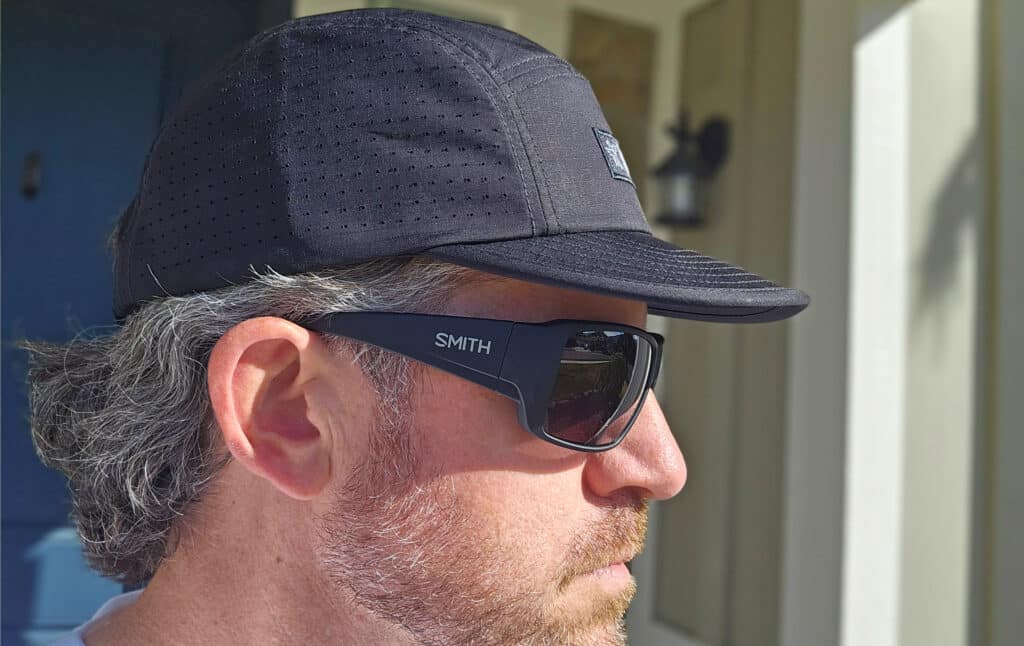
Yes. The standard fits medium-large heads; the XL handles size-8+ hats; and the S is built specifically for smaller faces. This sizing range is better than almost any direct competitor. For reference, I’m wearing the XL in the photo above.
Is the lifetime warranty legit?
Overwhelmingly yes. Thousands of reviewers report hassle-free replacements years after purchase, often with an upgrade to the current model if the old one is discontinued. Just ensure you buy from an authorized dealer.
Do I really need polarized lenses for fishing?
Yes. Non-polarized lenses only dim light; polarized lenses filter the horizontal glare off water so you can actually see what’s underneath. Without them, you can’t sight-fish or safely read shallow structure.
When you’re ready to buy, using the affiliate links on GearChase.com helps support our independent gear testing—at no extra cost to you. Click through to pick your ideal frame and lens combo.